
The Future of Education and Artificial Intelligence
Artificial Intelligence is transforming education by changing how students learn and how teachers deliver knowledge. AI-powered tools can provide personalized learning
Search

Contributor
Written
Artificial Intelligence is transforming education by changing how students learn and how teachers deliver knowledge. AI-powered tools can provide personalized learning
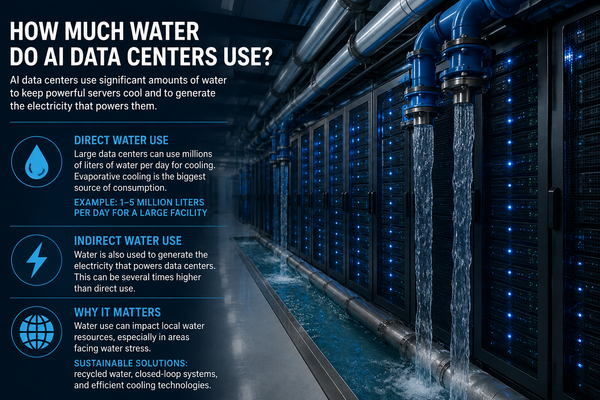
Artificial intelligence may exist in the digital world, but the computers that power it require significant physical resources, including water. AI systems
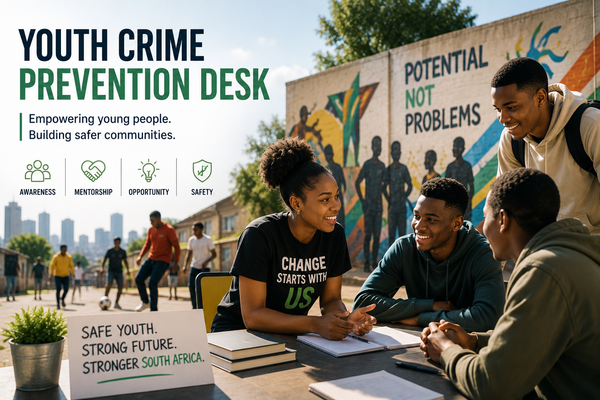

0:00/52.6081× Graduation Is Not the Finish Line We Thought It Was For many young South Africans, graduation was once
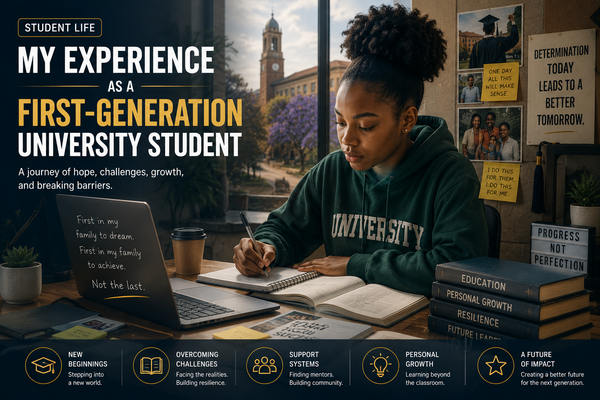
Many South African students are the first in their families to attend university. While this achievement is often celebrated, the reality can
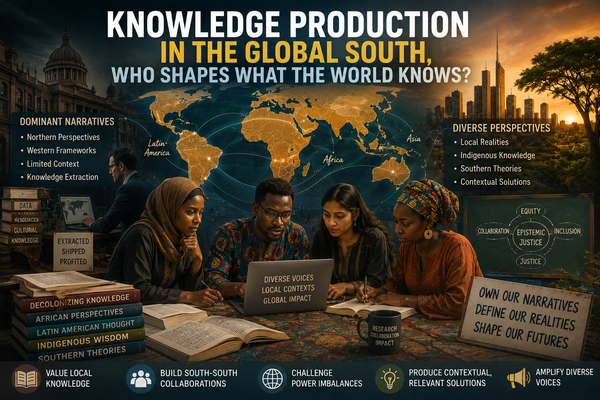
Knowledge is often treated as neutral, objective, and universally accessible. Yet the processes through which knowledge is produced, validated, and distributed are
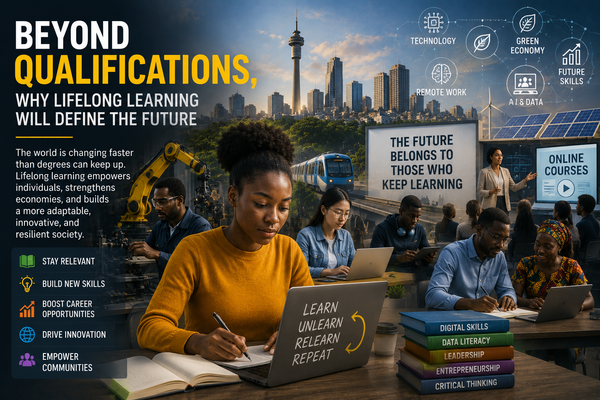
For generations, education followed a familiar pattern: study, graduate, find employment, and build a career based largely on accumulated experience. That model
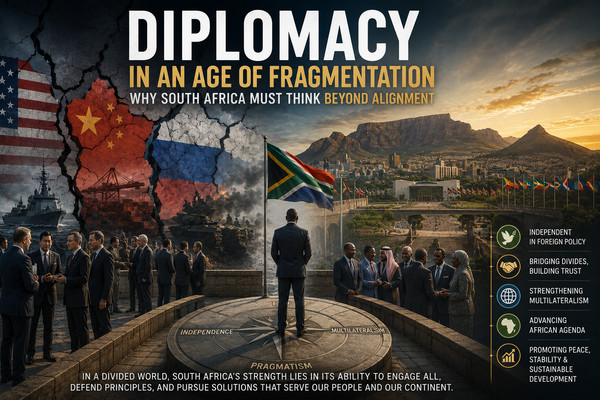
0:00/253.7041× The international order is changing. Long-standing alliances are being tested, global institutions face increasing scrutiny, and conflicts
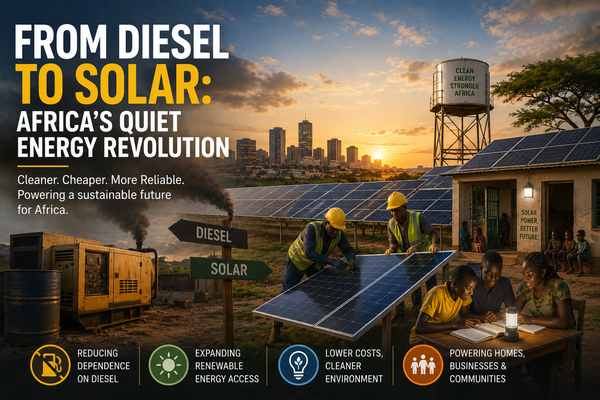
Across Africa, a quiet transformation is underway. Rising fuel costs and persistent energy challenges are accelerating the shift from diesel-based systems
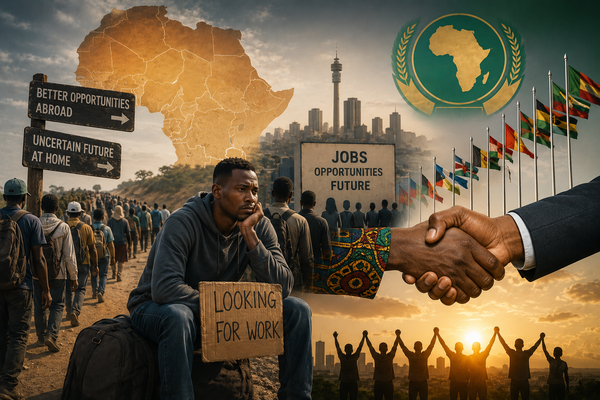
Migration within Africa has long been a feature of regional integration. However, rising unemployment and economic pressures are reshaping public attitudes, particularly
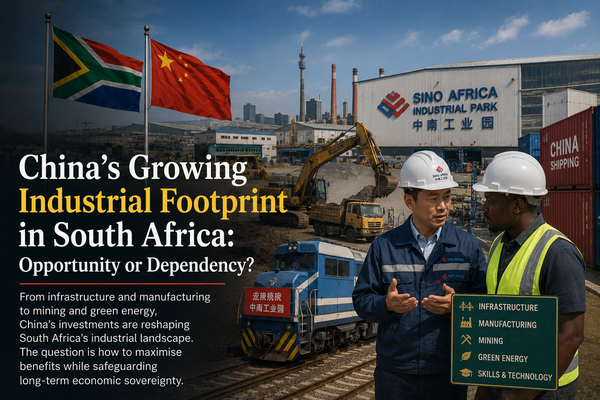
China's expanding industrial presence in South Africa is part of a broader global strategy to extend its economic influence. Recent
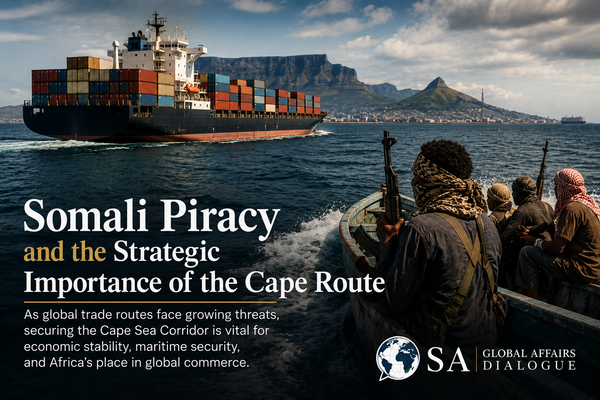
The resurgence of piracy off the Horn of Africa is once again drawing global attention. While the focus often remains on East
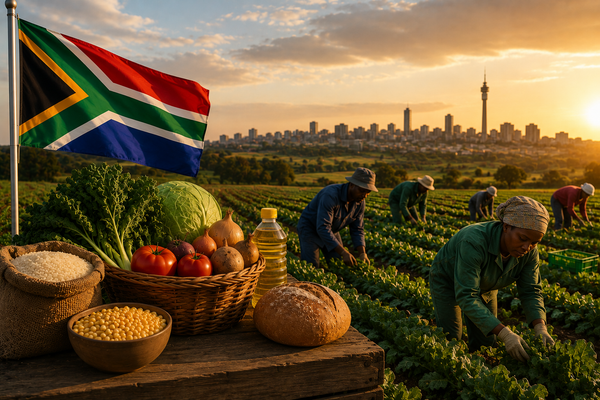
Global food systems are under increasing strain. Climate change, conflict, and supply chain disruptions are converging to create conditions that could trigger
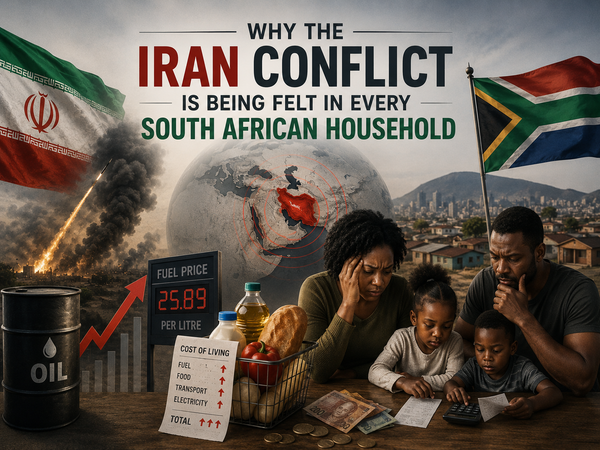
Global conflicts often feel distant, unfolding thousands of kilometres away. Yet for South Africans, the ongoing tensions involving Iran are not abstract
Audio
Distinguished Women Researchers – Humanities and Social Sciences